Vaishno Devi, Katra: Why Bhairon's Darshan Comes Last
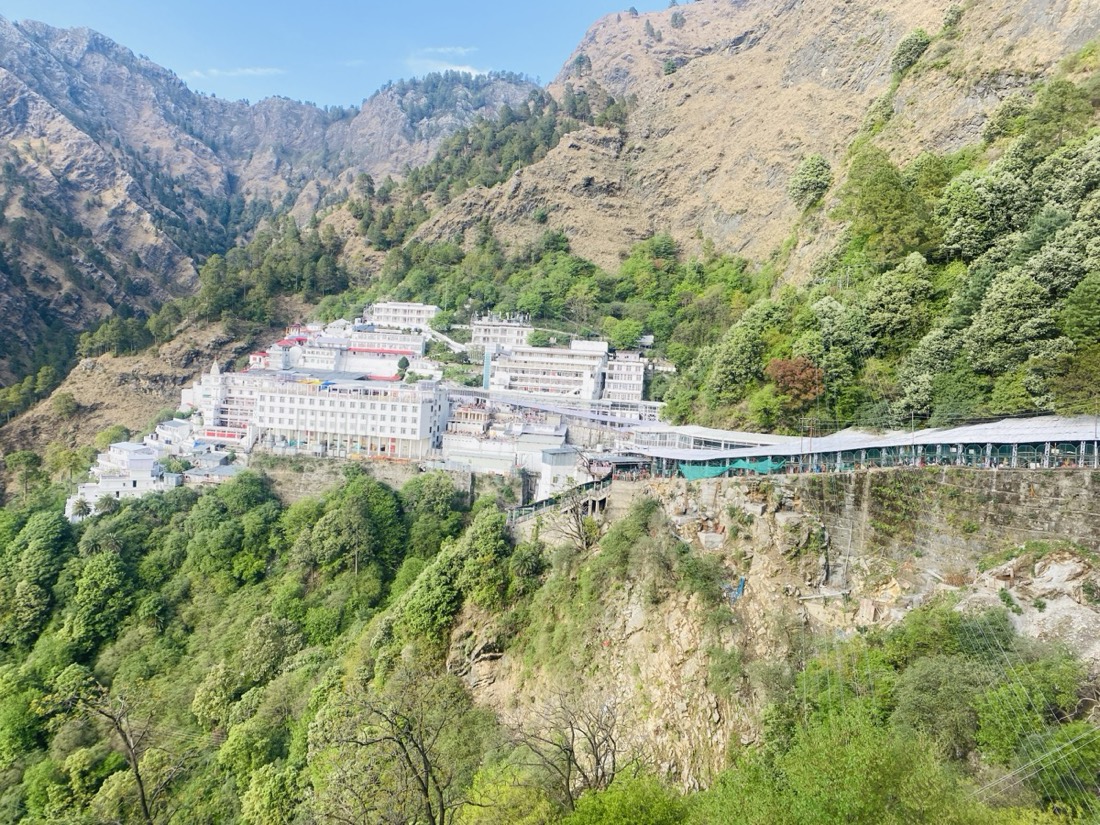
Pilgrims climbing to the Shri Mata Vaishno Devi Shrine, in the Trikuta hills above Katra in Reasi district, Jammu and Kashmir, are given one rule about order. The Shrine Board's FAQ says darshan at the Bhairon temple is done only after darshan at the Holy Cave. That is where Vaishno Devi is worshipped, as a natural rock with three heads at its top. The Board's own story pages explain the rule, and they begin with a poor man's dinner. This article follows the climb: from a village at the foot of the hill, through the halts, to the cave and the temple beyond it. These are devotional tellings, not recorded history, and the Board's pages do not always agree.
Hansali: a poor man's feast
The Board's page on Pandit Sridhar (the portal spells the name both Sridhar and Shridhar) opens in Hansali, a village at the foot of Trikuta, next to today's Katra. Shridhar is very poor and a devotee of Shakti. In a dream, Vaishnavi appears to him as a young girl and gives him her assurance. So he decides to hold a bhandara, a community feast.
He fixes an auspicious date, invites everyone in the nearby villages and goes from door to door asking for raw provisions. A few neighbours give. Many refuse, and some taunt him for planning a feast he has no means to give.
The night before, he cannot sleep: so little food, so small a space. By morning he has no answer, so he sits outside his hut to worship. By midday guests arrive, find him absorbed in his puja and settle wherever they can. A very large number fit inside the small hut, with room to spare.
When the puja ends, Shridhar wonders how to tell them he has nothing to serve. Then he sees Vaishnavi coming out of his hut. By her grace, every guest is offered the food they wish for. The feast goes well, the page says, though not without trouble from Bhairon, a disciple of the yogi Guru Gorakhnath, who had been invited too.
The disciple sent to watch her
The Board's About Shrine page tells the trouble from Vaishnavi's side. She has left household life to meditate, setting up an ashram at the foot of Trikuta. Guru Gorakhnath wonders whether she has truly reached a high spiritual level, so he sends his ablest disciple, Bhairon Nath, to find out.
Bhairon watches her in secret. She is a sadhvi, yet she always carries a bow and arrows, with a fierce-looking lion and langurs around her. He is captivated by her beauty and begins to pester her to marry him. At the bhandara, where the whole village and Gorakhnath with all his followers are invited, he tries to grab her. She tries to daunt him. When that fails, she flees into the mountains to meditate undisturbed.
Banganga, Charan Paduka, Adhkuwari
Bhairon follows. The About Shrine page names three halts on the way: Banganga, Charan Paduka and Adhkuwari (Ardhkuwari on some Board pages). The Board's route table lists the same three, in that order, from Katra. The page does not say what happens at each. The Board's Bhawan page adds one place: the Garbh Joon cave at Adhkuwari, where Bhairon finds her.
The Holy Cave: where Bhairon is forgiven
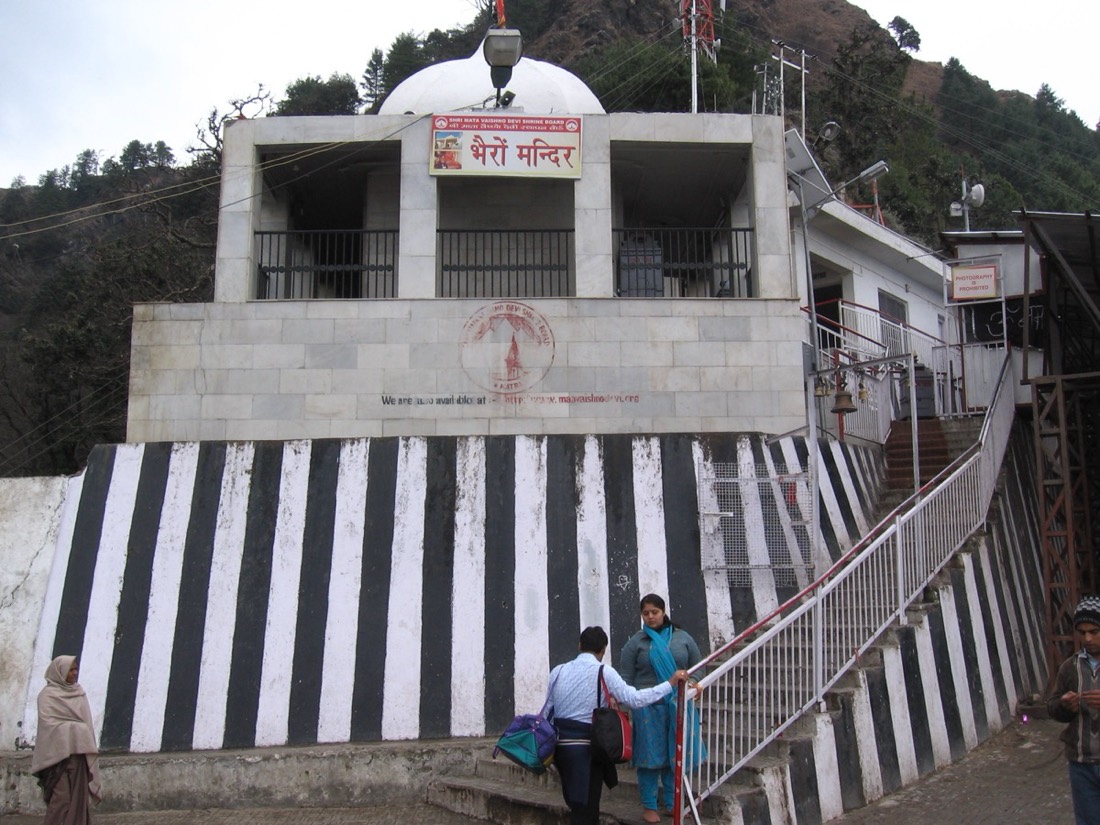
From Garbh Joon she climbs on to the Holy Cave. On the Bhawan page, Bhairon, still after her, finds her again inside and begins to challenge her. The Goddess takes her divine form and cuts off his head with her sword. The blow is so powerful that the head flies to another spur, about a kilometre and a half away, where the Bhairon temple stands today. The torso is left at the mouth of the Holy Cave.
The About Shrine page gives the ending. As he dies, Bhairon sees the futility of what he has done and asks her forgiveness. The Mother has mercy. She grants him a boon: every devotee will have to take his darshan after hers, and only then will the yatra be complete.
Vaishnavi then gives up her human form. As a rock five and a half feet tall, with three heads on top, she enters meditation for ever. Those heads are the Pindies, which the Bhawan page names as Maha Kali, Maha Lakshmi and Mata Saraswati.
So the rule on the route follows the story. First the flight, then the fight, and only then the apology and the boon.
Shridhar's dream and the way to the cave
The Board's Sridhar page says that after the bhandara, Shridhar calls out to Vaishnavi again and again, and she is nowhere to be found. Its Discovery page tells what follows. He feels he has lost everything, gives up food and even water, and shuts himself in a room to pray for her to reappear.
She comes in a dream. She tells him to search for her at the Holy Cave, amid the folds of Trikuta, shows him the way and tells him to break his fast. He sets out. When he seems to lose the path, the dream returns. At last he enters the cave and finds a rock with three heads on top.
Vaishno Devi appears before him in all her glory. The page notes another version in which the three great energies, Maha Saraswati, Maha Lakshmi and Maha Kali, appear. She introduces him to the three heads, now the Holy Pindies. She blesses him with four sons and the right to worship her manifestation, and asks him to spread the shrine's glory. Shridhar spends the rest of his life in her service at the cave.
Her flight ends with her becoming the rock. His search ends with finding it.
Devam is being built around stories like this one, covering more than 1,000 Indian temples and their gods and goddesses. It is coming soon on the App Store and Google Play, and its waitlist takes your email.
Where the Board's own pages part ways
The Discovery page has Vaishnavi leave in the middle of the feast; the Sridhar page has Shridhar searching for her afterwards. The Sridhar page promises the four sons in a dream after the feast, the Discovery page at the cave. And Bhairon dies just outside the cave mouth, no weapon named, on the About Shrine page, but inside the cave, by the sword, on the Bhawan page. The Board offers no single timeline, and this article does not supply one.
Outside versions vary more: Jammu.com adds an arrow at Banganga and a nine-month hunt at Adhkuwari, and a telling Philip Lutgendorf summarised in the journal Manushi in 1999 has her behead Bhairo with a trident.
Two dates for one discovery
The Discovery page says Shridhar found the cave about 700 years ago, with no source or date attached. A writ petition dated 11 August 2020 tells it differently. The Baridar Sangharsh Committee and others, who describe Baridars as turn-holders at the shrine, addressed it to the High Court of Jammu and Kashmir at Jammu. It places the discovery in the 10th century CE and cites a grant by Raja Kirpal Dev dated 1064 Chait Bikrami Samvat, given as 1007 CE. It also says it is the Baridars' faith that Shridhar belonged to the Mahabharata age.
A petition is one party's claim, not a court finding, and this article has not seen the grant. None of the sources used here offers an inscription or contemporary record that settles it. Hold both dates as tradition or claim.
Planning the climb from Katra
The Board is the authority on all of this. The list reflects its portal as read on 3 November 2026, though several pages date from 2020 to 2023, so confirm on the day.
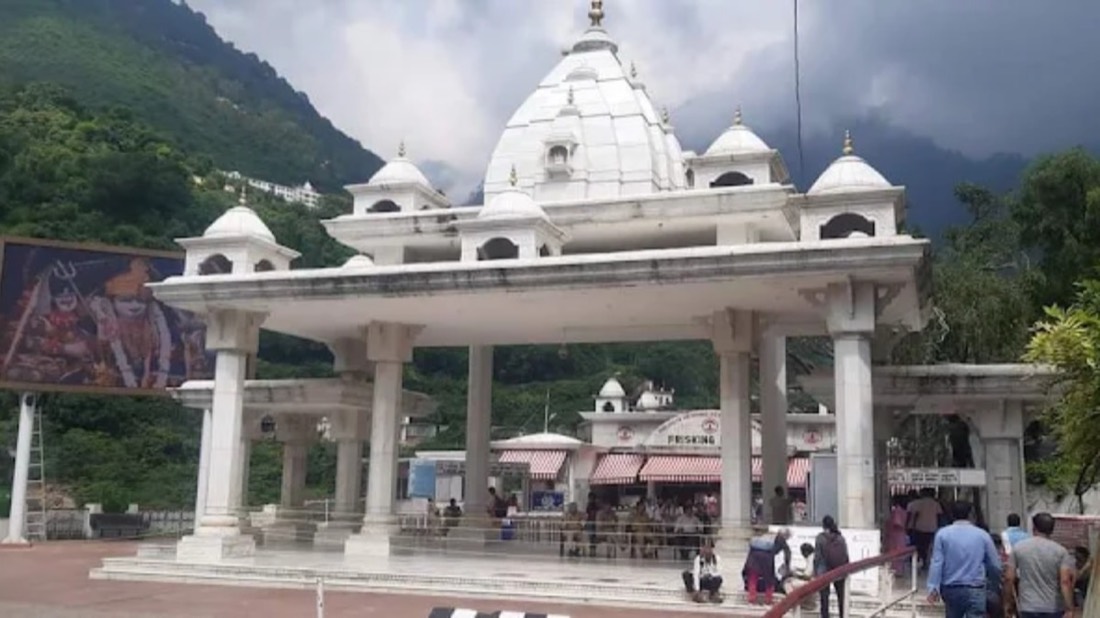
Register before the climb. Every pilgrim registers, online or at the counter near Katra's bus stand, and receives an RFID yatra access card. The Board's registration page says no other organisation can issue it.
Check the daily status. The homepage carries a yatra-status line and a weather link.
Keep darshan and aarti apart. The Board lists darshan, a twice-daily aarti in front of the Holy Cave and advance-booked services such as Attka Aarti separately, so read its current terms for each. The FAQ covers conduct, clothing and what may enter the cave.
Watch for look-alike sites. The Board names www.maavaishnodevi.org and online.maavaishnodevi.org as its authorised websites.
Questions people ask about Vaishno Devi
Why is darshan at the Bhairon temple done last?
In the Shrine Board's story, Bhairon asks forgiveness as he dies, and the Mother grants a boon: every devotee must take his darshan after hers, and only then is the yatra complete. The Board's FAQ states the rule: Bhairon's temple comes after the Holy Cave.
Are the Vaishno Devi stories history?
They are devotional tellings from the Board's pages, not recorded history, and the pages do not always agree. The Board says Shridhar found the cave about 700 years ago, while a 2020 petition places the discovery in the 10th century. A petition is one party's claim, not a court finding.
What are the Holy Pindies?
They are the three heads at the top of the natural rock, five and a half feet tall, that devotees see in the Holy Cave. The Board's Bhawan page names them Maha Kali, Maha Lakshmi and Mata Saraswati, and its Discovery page notes another version of Shridhar's vision.
Bhairon on the guest list
Bhairon had a place at Shridhar's feast. He reached for the Goddess, followed her up the mountain and fell at her cave. The boon gives him a place again, at the very end of the yatra, so a pilgrim who keeps the Board's rule finishes the climb at the temple of the guest who was forgiven.
Devam is coming soon to the App Store and Google Play, with bhajans, mantras, aartis and quizzes alongside the temple stories. If you would like to hear when it opens, leave your email on the waitlist.